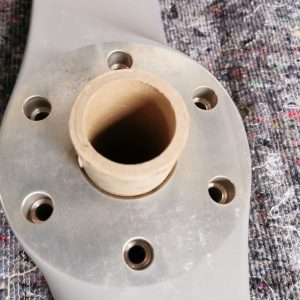
The Sensenich Propeller – P/N 74DM6-0-60
Accurate model terminology helps prevent confusion with visually similar propellers that may have different pitch, diameter, hub, or aircraft applications.
These related phrases connect the product with buyers seeking a durable and comparatively straightforward general aviation propeller design.
Whether buyers require a 74-Inch Aircraft Propeller, 60-Inch Pitch Propeller, Lycoming O-320 Propeller, or General Aviation Propeller, aircraft-specific applicability remains essential.
Clear terminology supports both search performance and responsible aviation-product presentation.
Understanding the 74DM6-0-60 Model Number
The complete propeller designation should be verified through the manufacturer data plate, hub markings, blade markings, serial number, original records, packaging labels, photographs, and available Sensenich technical information.
The serial number should match all supplied invoices, manufacturer documents, inspection records, and release paperwork.
Understanding New-Old-Stock Propeller Status
An unused propeller may still develop coating damage, corrosion, moisture exposure, scratches, dents, contamination, or packaging-related abrasion.
The propeller should be inspected even when it remains inside original packaging because temperature changes, condensation, impact, chemical exposure, and shifting during transport can affect condition.
Matching Propeller Design to Aircraft Performance
Its practical performance depends on blade design, diameter, pitch, engine power, maximum RPM, airframe configuration, aircraft weight, altitude, temperature, and installation condition.
Professional verification supports responsible use of the Sensenich Fixed-Pitch Propeller.
Protecting Aluminum Propeller Surfaces
Aluminum construction offers a durable and proven solution for many general aviation aircraft when the blades, hub, mounting surfaces, leading edges, tips, and protective finish remain within acceptable condition.
Identification markings should remain legible and protected during handling.
Measuring the 74DM6 Propeller
The measurement should not be assumed from packaging labels or seller estimates alone.
Professional measurement supports the responsible use of the 74-Inch Aircraft Propeller.
Comparing Pitch Between Both Blades
The seller should not guarantee specific performance based only on the pitch designation.
A blade-to-blade pitch difference can contribute to vibration, reduced efficiency, and unequal aerodynamic loading.
Selecting an Approved Propeller Installation
Compatibility depends on the exact aircraft here model, serial range, engine designation, propeller approval, hub, bolt pattern, diameter, pitch, and operating limitations.
The engine and propeller combination must remain within applicable RPM and power limitations.
Evaluating Both Propeller Blades
Matched blade condition supports smoother propeller operation.
Storage supports should protect both blades without applying uneven pressure.
Hub and Mounting Configuration
The mounting face should remain clean, flat, protected, and free from defects that could prevent correct seating.
A propeller-only listing may require additional hardware before installation can begin.
Inspecting Blade Tips and Trailing Edges
Professional evaluation protects the Sensenich Aircraft Propeller from unsuitable installation.
Suspicious areas should be examined carefully after the wrapping is removed using appropriate handling procedures.
Maintaining the Factory Finish
Discoloration, white residue, paint bubbling, coating separation, staining, or pitting should be evaluated instead of dismissed automatically as cosmetic.
The propeller should not be stored directly on concrete floors, damp timber, unstable shelving, or unsupported blade tips.
Separating Certification from Current Condition
The buyer should confirm the data plate, serial number, production information, conformity records, release documents, and exact approved aircraft application.
A certified-design propeller can still require inspection after prolonged storage, transportation, environmental exposure, or handling.
Reviewing Purchase and Storage Records
The manufacturer data plate should remain legible, securely attached, and consistent with the physical propeller, invoice, packaging, and supplied documents.
Available records may include factory paperwork, conformity documents, release certificates, storage records, purchase invoices, inspection reports, and aircraft-project information.
Aircraft Propeller Condition Review
The buyer should obtain enough information for a qualified propeller specialist or aviation mechanic to review the component.
- Request clear photographs of the data plate, blade faces, blade backs, leading edges, trailing edges, tips, hub, mounting face, bolt holes, packaging, and storage supports.
- Do not treat original packaging, clean paint, new wording, or never-installed status as proof of present serviceability.
- Inspect and photograph the propeller immediately after delivery before cleaning, measuring, balancing, repairing, mounting, or modifying it.
Safe Freight Handling Procedures
Blade tips, leading edges, trailing edges, mounting surfaces, bolt holes, identification plates, and factory coatings require suitable protection.
The propeller should remain immobilized throughout transport.
Storing the 74DM6-0-60 Propeller
The propeller should not be placed where tools, vehicles, machinery, or personnel can strike it.
Periodic inspection can identify developing corrosion, packaging damage, coating defects, or mishandling.
Professional Installation Requirements
Installation should be completed by appropriately qualified aviation maintenance personnel using applicable aircraft, engine, propeller, spinner, and hardware information.
Disciplined installation supports dependable Two-Blade Aircraft Propeller operation.
A ground run should not replace incomplete compatibility research or required technical inspection.
Maintaining the Leading Edges and Finish
Unapproved filing or sanding can remove excessive material and alter the blade geometry.
Maintenance records should identify inspection findings, measurements, corrective action, parts, dates, and personnel involved.
Evaluating Never-Installed Propeller Pricing
A recent professional inspection may add value when the scope, measurements, findings, and documentation are described accurately.
The lowest advertised price may not represent the lowest installed cost when hardware, records, or compatibility information are incomplete.
Final Thoughts on the Sensenich 74DM6 Propeller
New, Never Installed can provide valuable replacement, restoration, new-construction, engine-installation, inventory, or resale potential when its identity, dimensions, storage history, condition, and applicability are verified.
Buyers should request current photographs, exact dimensional information, transparent condition disclosures, inspection details, protected freight arrangements, secure payment terms, and qualified propeller review.
Whether buyers need a Sensenich Fixed-Pitch Propeller, Sensenich Aluminum Propeller, Fixed-Pitch Aluminum Propeller, or Aluminum Aircraft Propeller, current condition and dimensional conformity should be verified.
With prompt attention to scratches, coating damage, corrosion, vibration, loose hardware, spinner concerns, impact events, and environmental exposure, the installation can preserve its operating potential.